Okay, here’s a comprehensive article about dry guinea pig food featuring Timothy and Alfalfa, targeting around 1200 words.
The Foundation of a Happy Guinea Pig: Choosing the Right Dry Food with Timothy and Alfalfa
Guinea pigs, also known as cavies, are beloved pets known for their charming personalities and adorable vocalizations. Providing them with a well-balanced diet is crucial for their overall health, happiness, and longevity. While fresh vegetables and hay are essential components of a guinea pig’s diet, high-quality dry food formulated specifically for guinea pigs plays a vital role in ensuring they receive the necessary vitamins, minerals, and other nutrients they need to thrive. When choosing the right dry food, the ingredients Timothy hay and Alfalfa are two key components that need to be considered.
Why Dry Food Matters in a Guinea Pig’s Diet
Although hay forms the bulk of a guinea pig’s diet (around 80%), and fresh vegetables contribute essential vitamins and hydration, dry food offers several important advantages:
- Nutritional Completeness: Reputable dry guinea pig foods are carefully formulated to provide a complete and balanced array of vitamins and minerals that may not be consistently available in fresh produce or hay alone. This is especially important for nutrients like Vitamin C, which guinea pigs cannot produce themselves and must obtain from their diet.
- Dental Health Support: The slightly abrasive texture of dry food can help wear down a guinea pig’s continuously growing teeth, contributing to good dental health and preventing painful malocclusion (misalignment of teeth).
- Convenience and Consistency: Dry food offers a convenient and consistent way to ensure your guinea pig receives a stable source of essential nutrients every day, regardless of seasonal variations in produce availability.
- Supplementation: Dry food can be fortified with beneficial additives like prebiotics and probiotics to support gut health, and antioxidants to boost the immune system.
The Power Duo: Timothy Hay and Alfalfa in Dry Guinea Pig Food
When selecting dry food, pay close attention to the ingredients list. Two ingredients stand out as particularly important: Timothy hay and Alfalfa. These are not just fillers; they provide critical fiber and nutrients that are essential for guinea pig health.
-
Timothy Hay: The Cornerstone of Adult Guinea Pig Diets
Timothy hay is a grass hay that should be the primary ingredient in dry food formulated for adult guinea pigs (generally, those over six months old). Here’s why Timothy hay is so important:
- High Fiber Content: Timothy hay is exceptionally high in fiber, which is absolutely crucial for maintaining a healthy digestive system in guinea pigs. Fiber promotes proper gut motility, preventing potentially life-threatening conditions like ileus (gut stasis).
- Lower Calcium Content: Compared to alfalfa, Timothy hay contains significantly less calcium. Excessive calcium intake can contribute to the formation of bladder stones in guinea pigs, a painful and potentially serious health issue.
- Dental Wear: The coarse texture of Timothy hay helps to grind down a guinea pig’s constantly growing teeth, preventing overgrowth and malocclusion.
- Palatability: Most guinea pigs readily accept the taste and texture of Timothy hay, making it an easy and reliable dietary staple.
-
Alfalfa: A Nutritional Boost for Young and Pregnant Guinea Pigs
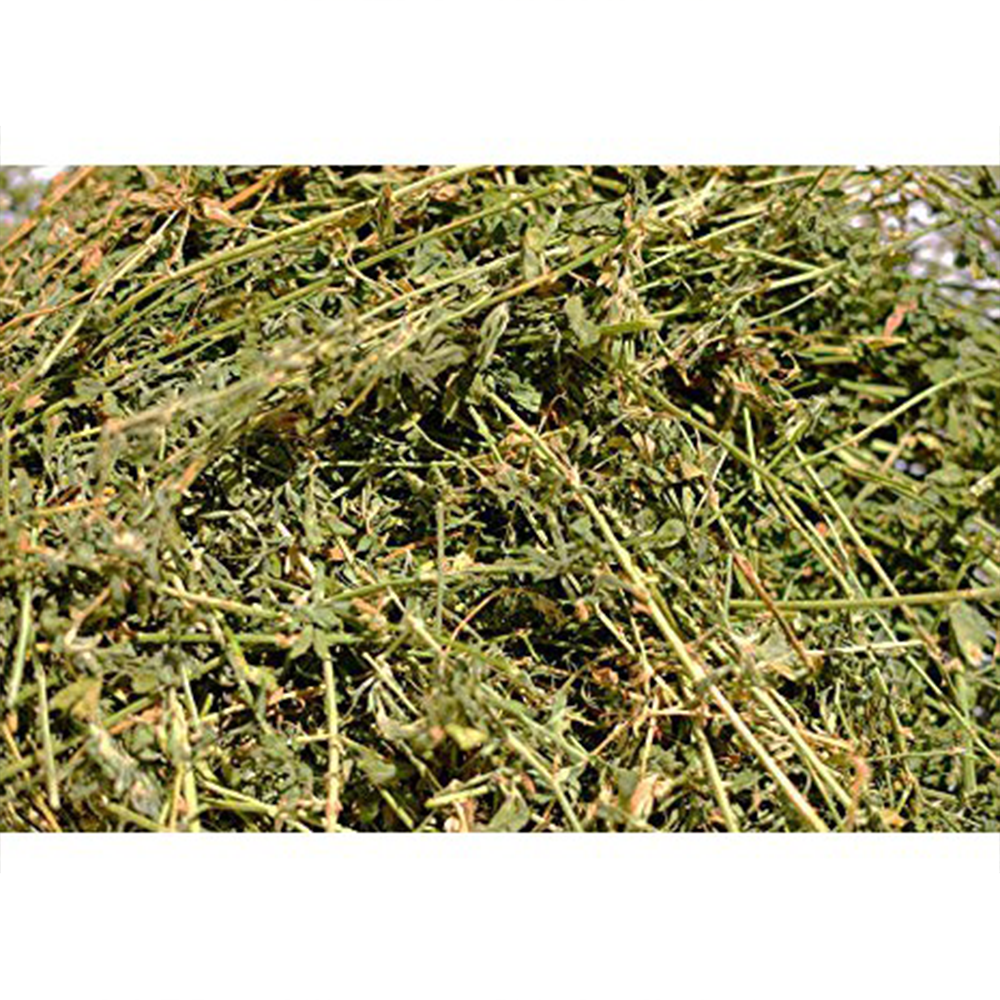
Alfalfa is a legume hay that is richer in protein and calcium than Timothy hay. While it’s not suitable as the primary hay source for adult guinea pigs, it can be beneficial in specific situations:
- Growth and Development: Young guinea pigs (under six months old) require more calcium and protein to support their rapid growth and development. Alfalfa-based dry food can help meet these increased nutritional demands.
- Pregnancy and Lactation: Pregnant and lactating female guinea pigs also have higher calcium and protein needs to support the developing fetuses and milk production. Alfalfa can be a valuable supplement during these periods.
- Underweight or Recovering Guinea Pigs: If a guinea pig is underweight or recovering from an illness, a small amount of alfalfa-based dry food can provide a concentrated source of nutrients to help them regain their strength.
Important Considerations When Choosing Dry Food
Beyond Timothy and Alfalfa, several other factors should be considered when selecting the best dry food for your guinea pig:
- Vitamin C Fortification: Guinea pigs cannot produce their own Vitamin C, so it must be provided in their diet. Choose a dry food that is fortified with a stable form of Vitamin C. Look for ingredients like "ascorbic acid" or "L-ascorbyl-2-polyphosphate." Note that Vitamin C degrades over time, so store the food properly and check the expiration date.
- Avoid Additives: Steer clear of dry foods that contain artificial colors, flavors, and preservatives. These additives offer no nutritional value and can potentially be harmful to your guinea pig’s health. Avoid foods with added sugar or molasses.
- Pellet Form: Choose pelleted food over muesli-style mixes. Muesli mixes often contain a variety of ingredients, and guinea pigs tend to selectively eat their favorite pieces, leading to an unbalanced diet. Pellets ensure that each bite provides a consistent blend of nutrients.
- Fiber Content: Look for a dry food with a high fiber content, ideally above 18%. This will help promote healthy digestion.
- Protein and Fat Content: The protein content should be in the range of 14-18% for adult guinea pigs. The fat content should be relatively low, around 2-5%.
- Calcium Content: For adult guinea pigs, aim for a dry food with a calcium content below 1%. If you’re feeding alfalfa-based food to young, pregnant, or lactating guinea pigs, the calcium content can be higher, but still monitor their urine for signs of excessive calcium excretion (white, chalky residue).
- Ingredient List Order: The ingredients are listed in descending order by weight. Timothy hay should be the first ingredient in dry food for adult guinea pigs.
- Reputable Brands: Choose dry food from reputable brands that specialize in guinea pig nutrition and have a proven track record of producing high-quality products.
- Small Quantities: Guinea pigs only need a small amount of dry food each day (typically around 1/8 to 1/4 cup per guinea pig, depending on their size and activity level). Overfeeding can lead to weight gain and other health problems.
Transitioning to a New Dry Food
If you’re switching your guinea pig to a new dry food, do so gradually to avoid digestive upset. Mix a small amount of the new food with the old food, gradually increasing the proportion of the new food over a period of 7-10 days.
Beyond Dry Food: A Holistic Approach to Guinea Pig Nutrition
While dry food is an important component of a guinea pig’s diet, it’s crucial to remember that it should not be the only component. A healthy guinea pig diet consists of:
- Hay: Timothy hay should be available at all times. It’s the most important part of their diet.
- Fresh Vegetables: Offer a variety of fresh vegetables daily, focusing on leafy greens like romaine lettuce, kale, and parsley. Avoid iceberg lettuce, as it has very little nutritional value. Other good options include bell peppers (a good source of Vitamin C), carrots, and cucumbers.
- Fresh Water: Provide fresh, clean water in a sipper bottle or a heavy ceramic bowl. Change the water daily.
- Limited Treats: Offer occasional healthy treats like small pieces of fruit (berries, apples) or herbs (cilantro, basil) in moderation. Avoid sugary treats and processed foods.
Conclusion: A Well-Informed Choice for a Healthy Guinea Pig
Choosing the right dry food for your guinea pig is a crucial step in ensuring their long-term health and happiness. By understanding the importance of Timothy hay and Alfalfa, carefully considering the other ingredients, and providing a balanced diet that includes plenty of hay and fresh vegetables, you can help your guinea pig thrive and enjoy a long and fulfilling life. Always consult with a veterinarian experienced in treating guinea pigs if you have any concerns about your guinea pig’s diet or health. They can provide personalized recommendations based on your guinea pig’s individual needs.