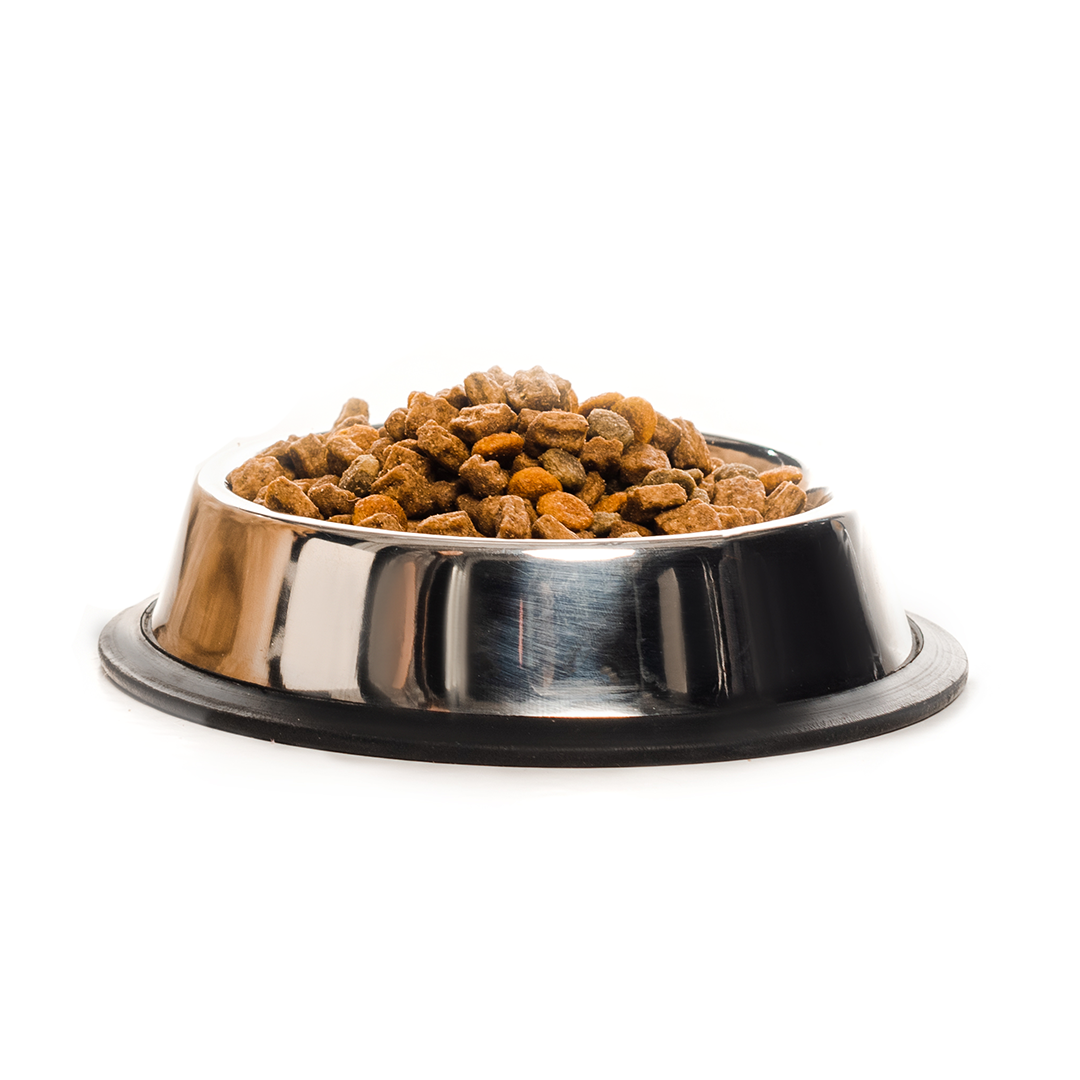
Dry Dog Food for Hot Spots: Soothing Your Dog’s Itchy Skin
Hot spots, also known as acute moist dermatitis, are a common skin condition in dogs that can cause significant discomfort and irritation. These inflamed, itchy lesions can appear suddenly and quickly worsen if not properly addressed. While various factors can contribute to the development of hot spots, diet plays a crucial role in managing and preventing them.
Choosing the right dry dog food can make a significant difference in your dog’s skin health. This article will delve into the connection between diet and hot spots, explore key ingredients to look for (and avoid), and provide practical tips for selecting the best dry dog food to alleviate your dog’s hot spot woes.
Understanding the Diet-Hot Spot Connection
The food your dog consumes directly impacts their overall health, including the health of their skin and coat. A diet lacking essential nutrients, containing allergens, or high in inflammatory ingredients can compromise the skin’s natural barrier function, making it more susceptible to irritation and hot spots.
Here’s how diet can influence the development of hot spots:
- Allergies: Food allergies are a common trigger for skin issues in dogs. When a dog consumes an ingredient they’re allergic to, it can trigger an immune response that leads to inflammation, itching, and skin irritation. Common allergens in dog food include beef, chicken, dairy, wheat, corn, and soy.
- Nutrient Deficiencies: A diet lacking essential fatty acids, vitamins, and minerals can weaken the skin’s barrier function. This makes the skin more vulnerable to irritants, bacteria, and allergens, increasing the risk of hot spots.
- Inflammatory Ingredients: Some ingredients in dog food, such as artificial additives, preservatives, and low-quality fillers, can promote inflammation in the body. Chronic inflammation can manifest as skin problems, including hot spots.
- Gut Health: The gut microbiome plays a vital role in immune function and overall health. An imbalanced gut microbiome can lead to inflammation and skin issues.
- Poor Quality Protein: Dogs need high quality protein to maintain healthy skin and coat. Poor quality or insufficient protein can lead to dry, itchy skin that is prone to hot spots.
Key Ingredients to Look for in Dry Dog Food for Hot Spots
When selecting a dry dog food for a dog prone to hot spots, prioritize formulas with ingredients known to support skin health and reduce inflammation.
-
High-Quality Protein Sources:
- Novel Proteins: If your dog has suspected food allergies, consider a dry dog food with a novel protein source, such as salmon, duck, lamb, venison, or rabbit. Novel proteins are less likely to trigger an allergic reaction because your dog hasn’t been exposed to them before.
- Hydrolyzed Protein: Hydrolyzed protein is broken down into smaller pieces, making it less likely to cause an allergic reaction. This can be beneficial for dogs with sensitive skin.
-
Omega-3 and Omega-6 Fatty Acids:
- Fish Oil: Fish oil is a rich source of omega-3 fatty acids, particularly EPA (eicosapentaenoic acid) and DHA (docosahexaenoic acid). These fatty acids have anti-inflammatory properties and can help reduce itching and promote healthy skin.
- Flaxseed: Flaxseed is another good source of omega-3 fatty acids, although it contains ALA (alpha-linolenic acid), which is less readily converted to EPA and DHA in dogs.
- Other Sources: Other sources of omega-6 fatty acids include sunflower oil and safflower oil.
-
Antioxidants:
- Vitamin E: Vitamin E is a powerful antioxidant that helps protect skin cells from damage caused by free radicals.
- Vitamin C: Vitamin C also acts as an antioxidant and supports collagen production, which is essential for healthy skin.
- Fruits and Vegetables: Many fruits and vegetables, such as blueberries, cranberries, sweet potatoes, and spinach, are rich in antioxidants that can benefit skin health.
-
Probiotics:
- Live and Active Cultures: Probiotics are beneficial bacteria that can help improve gut health. A healthy gut microbiome is essential for immune function and can help reduce inflammation throughout the body, including the skin.
-
Other Beneficial Ingredients:
- Zinc: Zinc is an essential mineral that plays a role in skin health and wound healing.
- Biotin: Biotin, also known as vitamin B7, is important for healthy skin and coat.
- Turmeric: Turmeric contains curcumin, a compound with anti-inflammatory properties that may help alleviate skin irritation.
Ingredients to Avoid
Certain ingredients in dog food can exacerbate skin problems and should be avoided, especially if your dog is prone to hot spots.
- Common Allergens: Beef, chicken, dairy, wheat, corn, and soy are common allergens in dogs. If you suspect your dog has food allergies, choose a dry dog food that is free of these ingredients.
- Artificial Additives: Artificial colors, flavors, and preservatives can irritate the skin and should be avoided.
- Fillers: Low-quality fillers, such as corn gluten meal and wheat middlings, provide little nutritional value and can contribute to inflammation.
- Excessive Carbohydrates: Too many carbohydrates in the diet can lead to weight gain and inflammation.
Tips for Choosing the Right Dry Dog Food
- Read Labels Carefully: Pay close attention to the ingredient list and guaranteed analysis. Look for high-quality protein sources, omega-3 fatty acids, antioxidants, and probiotics. Avoid ingredients known to be allergens or irritants.
- Consult with Your Veterinarian: Your veterinarian can help you identify potential food allergies or sensitivities and recommend a suitable dry dog food for your dog’s specific needs.
- Consider a Limited Ingredient Diet: Limited ingredient diets (LIDs) contain a minimal number of ingredients, making it easier to identify potential allergens.
- Introduce New Food Gradually: When switching to a new dry dog food, gradually mix it with your dog’s old food over a period of 7-10 days to avoid digestive upset.
- Monitor Your Dog’s Response: Keep a close eye on your dog’s skin and coat after starting a new dry dog food. If you notice any signs of improvement, such as reduced itching or inflammation, it’s a good indication that the food is working.
- Consider a Food Elimination Trial: If your veterinarian suspects food allergies, they may recommend a food elimination trial. This involves feeding your dog a novel protein diet for several weeks and then gradually reintroducing potential allergens to see if they trigger a reaction.
Additional Tips for Managing Hot Spots
In addition to choosing the right dry dog food, there are other steps you can take to manage and prevent hot spots:
- Address Underlying Causes: Hot spots can be caused by a variety of factors, including allergies, flea infestations, skin infections, and behavioral issues. Work with your veterinarian to identify and address any underlying causes.
- Keep Your Dog’s Coat Clean and Dry: Regular bathing with a gentle, hypoallergenic shampoo can help remove irritants and prevent skin infections. Be sure to dry your dog thoroughly after bathing.
- Prevent Flea Infestations: Fleas can trigger itching and skin irritation, which can lead to hot spots. Use a veterinarian-approved flea preventative to keep your dog flea-free.
- Trim Your Dog’s Nails: Long nails can scratch and irritate the skin, increasing the risk of hot spots. Keep your dog’s nails trimmed regularly.
- Prevent Excessive Licking and Chewing: Licking and chewing can exacerbate hot spots. Use an Elizabethan collar (cone of shame) or other deterrent to prevent your dog from irritating the affected area.
- Topical Treatments: Your veterinarian may recommend topical treatments, such as medicated shampoos, creams, or sprays, to help soothe the skin and reduce inflammation.
Conclusion
Choosing the right dry dog food is an important step in managing and preventing hot spots in dogs. By selecting a formula with high-quality protein, omega-3 fatty acids, antioxidants, and probiotics, and avoiding common allergens and inflammatory ingredients, you can help support your dog’s skin health and reduce the risk of hot spots. Remember to consult with your veterinarian to determine the best diet for your dog’s specific needs. With a combination of proper diet and good skin care practices, you can help your dog enjoy a healthy, comfortable, and itch-free life.