Grain-Free Treats for Teething Puppies: Soothing Discomfort and Promoting Healthy Development
The teething stage is a significant milestone in a puppy’s life, marking the transition from a milk-dependent diet to solid food and the development of a strong, adult set of teeth. However, this period is often accompanied by discomfort, pain, and an irresistible urge to chew. As responsible pet parents, we seek ways to alleviate their distress while ensuring their health and well-being. Grain-free treats offer a potential solution, providing a safe, nutritious, and palatable option for teething puppies.
Understanding Teething in Puppies
Teething is a natural process where a puppy’s baby teeth (deciduous teeth) are replaced by permanent adult teeth. This process typically begins around 3-4 months of age and continues until approximately 6-8 months. During this time, the puppy’s gums become inflamed and sensitive as the adult teeth push through.
Common Signs of Teething
- Excessive Chewing: A hallmark sign of teething, puppies will chew on anything and everything to relieve gum pressure.
- Drooling: Increased saliva production is common due to gum irritation.
- Red and Swollen Gums: The gums may appear inflamed and tender.
- Whining or Irritability: Discomfort can lead to changes in behavior.
- Loss of Appetite: Pain may make eating less appealing.
- Blood on Toys: A small amount of blood may be present on chew toys.
- Loose or Missing Baby Teeth: You might find tiny teeth around the house.
The Role of Treats During Teething
Treats can play a crucial role in managing a teething puppy’s discomfort and redirecting their chewing instincts. The right treats can:
- Provide Relief: Chewing on appropriate treats can massage the gums, easing pain and discomfort.
- Satisfy Chewing Urges: Offering designated chew items helps prevent destructive chewing on furniture, shoes, or other valuables.
- Promote Dental Health: Some treats can help clean developing teeth and massage gums, contributing to good oral hygiene.
- Offer Enrichment: Treats provide mental stimulation and can help alleviate boredom.
- Aid in Training: Treats can be used as positive reinforcement during training sessions, making learning more enjoyable.
Why Grain-Free Treats?
Grain-free diets have gained popularity in recent years due to potential benefits for some dogs, particularly those with sensitivities or allergies. While not all dogs require a grain-free diet, it can be a suitable option for puppies during teething for several reasons:
- Easier Digestion: Grain-free treats often contain easily digestible ingredients, which can be beneficial for puppies with sensitive stomachs.
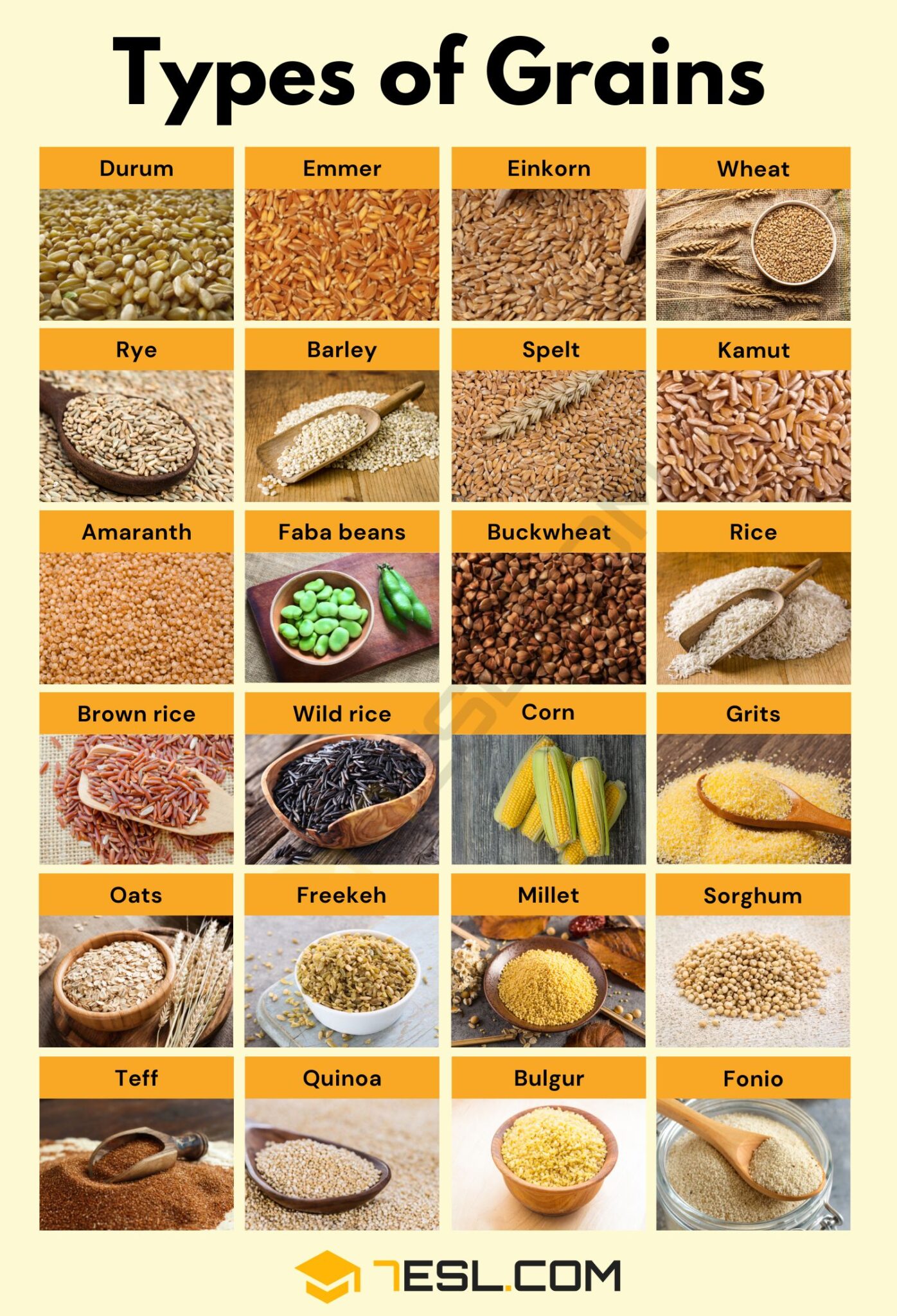
- Reduced Allergen Potential: Grains like wheat, corn, and soy are common allergens for some dogs. Grain-free treats eliminate these potential triggers.
- Nutrient-Rich: Grain-free treats often incorporate high-quality protein sources, healthy fats, and essential vitamins and minerals, supporting healthy growth and development.
- Lower in Carbohydrates: Some grain-free treats may have a lower carbohydrate content than traditional treats, which can be advantageous for managing weight and blood sugar levels.
What to Look for in Grain-Free Teething Treats
When selecting grain-free treats for your teething puppy, consider the following factors:
-
Ingredients:
- High-Quality Protein: Look for treats made with real meat, poultry, or fish as the primary ingredient. Avoid treats with excessive fillers or by-products.
- Healthy Fats: Omega-3 and omega-6 fatty acids are essential for skin and coat health. Look for sources like fish oil, flaxseed, or sunflower oil.
- Limited Ingredients: Opt for treats with a short and recognizable ingredient list. This reduces the risk of potential allergens or sensitivities.
- Avoid Artificial Additives: Steer clear of treats containing artificial colors, flavors, and preservatives.
- No Added Sugar or Salt: These additives offer no nutritional value and can be detrimental to your puppy’s health.
-
Texture and Size:
- Chewable Texture: Choose treats that are firm enough to provide chewing satisfaction but not so hard that they could damage developing teeth.
- Appropriate Size: Select treats that are appropriately sized for your puppy’s breed and age. Small treats are suitable for training, while larger treats can provide longer-lasting chewing relief.
-
Safety:
- Digestibility: Ensure the treats are easily digestible to prevent digestive upset.
- No Small Pieces: Avoid treats that easily break into small pieces, as these can pose a choking hazard.
- Reputable Brands: Choose treats from reputable brands with a proven track record of quality and safety.
-
Nutritional Value:
- Balanced Nutrition: While treats should not be the primary source of nutrition, they should contribute to your puppy’s overall well-being.
- Vitamins and Minerals: Look for treats fortified with essential vitamins and minerals to support healthy growth and development.
Examples of Grain-Free Teething Treat Options
- Frozen Carrot Sticks: Raw carrots are naturally firm and provide a soothing chewing experience. Freezing them adds extra relief for sore gums.
- Frozen Grain-Free Yogurt Bites: Plain, unsweetened yogurt is a good source of calcium and probiotics. Freeze small portions for a cooling and palatable treat.
- Grain-Free Puppy Training Treats: These are often small and soft, making them ideal for training sessions. Look for varieties with high-quality protein and limited ingredients.
- Dehydrated Sweet Potato Chews: Sweet potatoes are a good source of fiber and vitamins. Dehydrated chews provide a long-lasting chewing experience.
- Grain-Free Bully Sticks: These are a popular choice for teething puppies, but always supervise your puppy while they chew on them.
- Olive Wood Chews: These are a natural, long-lasting chewing option that is safe for puppies.
- Frozen Washcloth: Soak a washcloth in water or broth and freeze it. The frozen cloth can provide a soothing chewing experience and help to relieve gum pain.
Tips for Using Grain-Free Treats During Teething
- Introduce Treats Gradually: Start with small amounts of new treats to ensure your puppy tolerates them well.
- Monitor Your Puppy: Always supervise your puppy while they are chewing on treats to prevent choking.
- Adjust Portion Sizes: Account for treats when calculating your puppy’s daily food intake to prevent overfeeding.
- Consult Your Veterinarian: If you have any concerns about your puppy’s teething or dietary needs, consult your veterinarian.
Additional Tips for Managing Teething Discomfort
- Provide Plenty of Chew Toys: Offer a variety of chew toys with different textures and shapes to satisfy your puppy’s chewing urges.
- Freeze Chew Toys: Freezing chew toys can provide extra relief for sore gums.
- Gentle Gum Massage: Gently massage your puppy’s gums with your finger or a soft cloth to help relieve discomfort.
- Cold Compresses: Apply a cold compress to your puppy’s gums for a few minutes at a time to reduce inflammation.
- Safe Environment: Ensure your puppy has a safe and comfortable environment where they can rest and relax.
Conclusion
Grain-free treats can be a valuable tool for managing a teething puppy’s discomfort and promoting healthy development. By choosing treats with high-quality ingredients, appropriate texture and size, and considering your puppy’s individual needs, you can provide them with a safe, nutritious, and palatable way to soothe their sore gums and redirect their chewing instincts. Remember to consult your veterinarian for personalized recommendations and to ensure your puppy receives the best possible care during this important stage of their life.