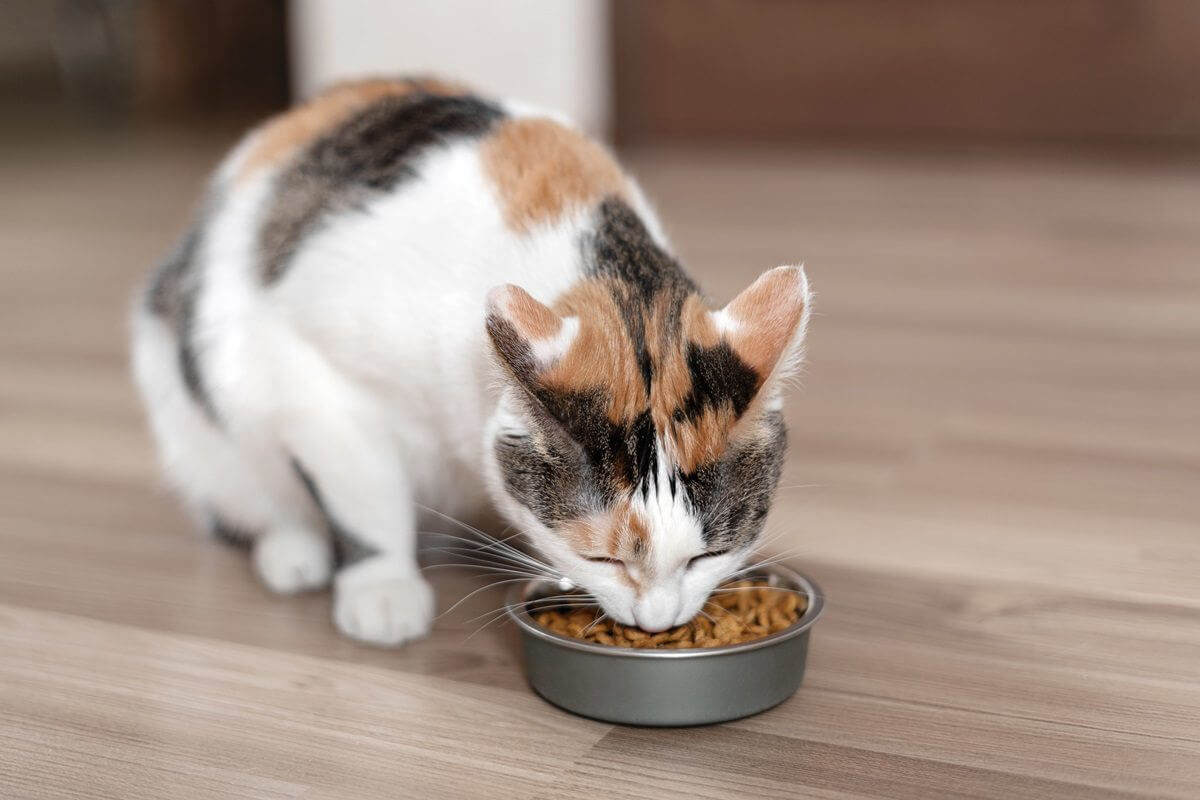
Low-Ash Food for Neutered Cats: A Guide to Optimal Health
Neutering is a common and beneficial procedure for cats, offering numerous health and behavioral advantages. However, it also brings about significant hormonal and metabolic changes that can impact a cat’s dietary needs. One key consideration is the ash content of their food. This article explores the importance of low-ash food for neutered cats, providing insights into its benefits and how to choose the right options.
Understanding Ash in Cat Food
In the context of pet food, "ash" refers to the inorganic mineral residue that remains after the food is completely incinerated in a laboratory setting. It’s essentially the total mineral content, including calcium, phosphorus, magnesium, potassium, sodium, iron, copper, zinc, and manganese.
While minerals are essential for various bodily functions, excessive ash content in cat food has been linked to potential health problems, particularly in neutered cats.
Why Low-Ash Matters for Neutered Cats
-
Increased Risk of Urinary Issues: Neutered cats, especially males, are more prone to developing urinary problems such as feline lower urinary tract disease (FLUTD) and urinary crystal formation (struvite or calcium oxalate crystals). High ash content, particularly magnesium and phosphorus, can contribute to the formation of these crystals, leading to urinary blockages and discomfort.
-
Altered Metabolism: Neutering leads to a decrease in metabolism, meaning cats burn fewer calories and are more likely to gain weight. This can further exacerbate urinary issues, as obesity can increase the concentration of minerals in the urine.
-
Reduced Activity Levels: Neutered cats often become less active, which can also contribute to weight gain and decreased water intake. Reduced water consumption leads to more concentrated urine, increasing the risk of crystal formation.
-
Kidney Health: While not definitively proven, some veterinarians believe that consistently high ash intake could potentially strain the kidneys over time, especially in cats with pre-existing kidney issues.
Benefits of Low-Ash Food
-
Reduced Risk of Urinary Problems: By limiting the mineral content, low-ash food helps prevent the formation of urinary crystals and reduces the likelihood of FLUTD.
-
Improved Urinary pH: Low-ash diets are often formulated to maintain an optimal urinary pH, which helps prevent the formation of both struvite and calcium oxalate crystals.
-
Weight Management: Many low-ash foods are also formulated to be lower in calories and higher in protein, promoting healthy weight management for neutered cats.
-
Enhanced Hydration: High-quality low-ash foods are often highly palatable, encouraging cats to eat and drink more, leading to better hydration and less concentrated urine.
-
Potential Kidney Support: By reducing the mineral load, low-ash diets may help ease the burden on the kidneys, potentially supporting their long-term health.
Choosing the Right Low-Ash Food
Selecting the appropriate low-ash food for your neutered cat requires careful consideration:
-
Read the Label: Look for the "guaranteed analysis" on the food label. Ash content is usually listed as a percentage. Aim for foods with an ash content of 8% or lower. However, keep in mind that dry matter basis (DMB) calculation provides a more accurate comparison between different types of food (dry vs. wet).
-
Consider the Mineral Content: Pay attention to the levels of magnesium, phosphorus, and calcium. These minerals are key contributors to urinary crystal formation.
-
Prioritize High-Quality Protein: Choose foods that are rich in animal-based protein sources, such as chicken, turkey, or fish. Protein helps maintain muscle mass and promotes a healthy metabolism.
-
Opt for Wet Food: Wet food has a much higher moisture content than dry food, which helps increase water intake and dilute urine. This is particularly beneficial for neutered cats prone to urinary problems. If you feed dry food, ensure your cat has access to plenty of fresh water.
-
Check the Ingredients: Avoid foods with excessive amounts of plant-based fillers, such as corn, wheat, and soy. These ingredients can be difficult for cats to digest and may contribute to urinary issues.
-
Consult Your Veterinarian: The best way to determine the right low-ash food for your cat is to consult with your veterinarian. They can assess your cat’s individual needs and recommend a specific diet that is appropriate for their age, weight, health status, and lifestyle.
-
Consider Prescription Diets: In some cases, your veterinarian may recommend a prescription diet specifically formulated to manage urinary issues. These diets often have very low ash content and are designed to dissolve existing crystals and prevent future formation.
Transitioning to a Low-Ash Diet
When switching your cat to a new food, it’s essential to do so gradually to avoid digestive upset. Here’s a recommended transition plan:
- Days 1-3: Mix 25% of the new food with 75% of the old food.
- Days 4-6: Mix 50% of the new food with 50% of the old food.
- Days 7-9: Mix 75% of the new food with 25% of the old food.
- Day 10: Feed 100% of the new food.
Monitor your cat’s appetite, stool consistency, and overall health during the transition. If you notice any signs of digestive upset, such as vomiting or diarrhea, slow down the transition or consult your veterinarian.
Additional Tips for Urinary Health
In addition to feeding a low-ash diet, there are other steps you can take to support your neutered cat’s urinary health:
- Provide Fresh Water: Ensure your cat always has access to fresh, clean water. Consider using a water fountain to encourage them to drink more.
- Clean Litter Box: Keep the litter box clean and scoop it at least once a day. Cats are more likely to use a clean litter box, which can help prevent urinary retention.
- Reduce Stress: Stress can contribute to urinary problems in cats. Provide a safe and comfortable environment for your cat and minimize any potential stressors.
- Encourage Exercise: Regular exercise helps maintain a healthy weight and promotes overall health. Engage your cat in play sessions to keep them active.
- Regular Veterinary Checkups: Schedule regular veterinary checkups to monitor your cat’s health and catch any potential problems early.
Conclusion
Low-ash food is an essential component of a healthy diet for neutered cats, helping to reduce the risk of urinary problems and promote overall well-being. By choosing the right food, providing fresh water, and maintaining a healthy lifestyle, you can help your neutered cat live a long and happy life. Always consult with your veterinarian to determine the best dietary plan for your cat’s individual needs.