
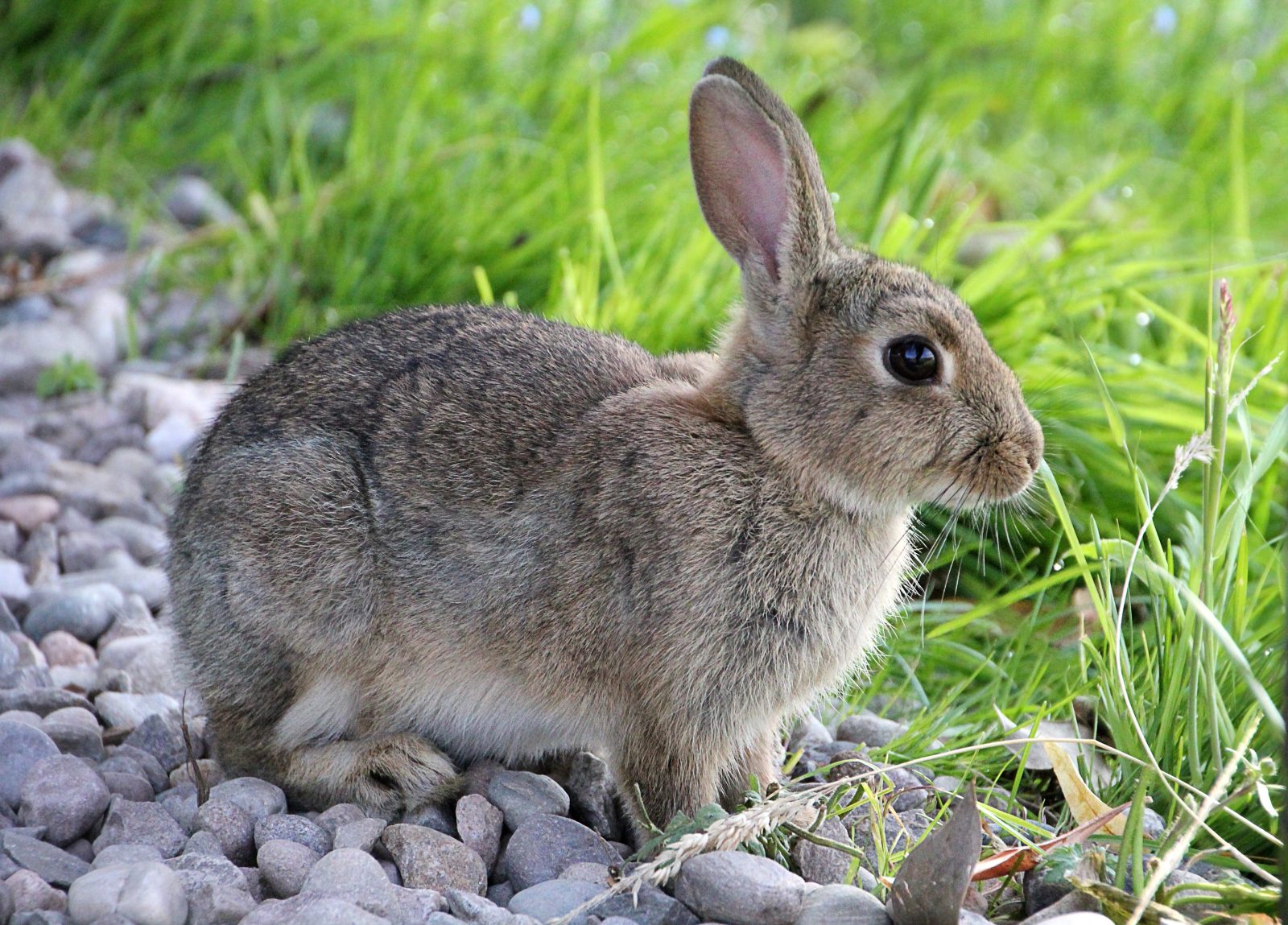
Rabbit Treat Delight: Rose Petals and Herbs for a Happy, Healthy Bunny
For rabbit owners, the joy of seeing their furry companions thrive is unparalleled. Beyond providing essential hay, fresh vegetables, and pellets, offering treats is a wonderful way to bond with your rabbit and add variety to their diet. However, it’s crucial to remember that a rabbit’s digestive system is delicate, and not all treats are created equal. This article explores the delightful and beneficial world of rabbit treats featuring rose petals and herbs, offering guidance on safety, nutritional benefits, recipes, and proper storage.
The Allure of Rose Petals and Herbs: Why They’re Great for Rabbits
Rose petals and certain herbs offer a unique combination of flavor, aroma, and potential health benefits for your rabbit. They can add excitement to your rabbit’s diet and provide supplemental nutrients.
- Rose Petals: Roses, particularly those grown organically and free from pesticides, are a natural source of vitamins and antioxidants. They are rich in Vitamin C, which supports the immune system, and contain antioxidants that help combat free radicals in the body. The subtle floral aroma and delicate flavor are often highly appealing to rabbits.
- Herbs: A wide variety of herbs are safe and beneficial for rabbits. Parsley, cilantro, basil, mint, dill, and oregano are popular choices. These herbs are packed with vitamins, minerals, and fiber, contributing to overall health and digestive well-being. They can also offer specific benefits, such as anti-inflammatory properties (oregano) or aiding digestion (mint).
Safety First: Important Considerations Before Offering Rose Petals and Herbs
While rose petals and herbs can be a fantastic addition to your rabbit’s diet, safety is paramount. Always consider the following:
- Source Matters: Only offer rose petals and herbs that you are absolutely certain are free from pesticides, herbicides, and other harmful chemicals. Organic options are ideal. If you’re unsure, it’s best to err on the side of caution and avoid using them. Avoid roses from florists, as they are often treated with chemicals to prolong their shelf life.
- Rose Variety: Not all roses are created equal. Some rose varieties may be more bitter or contain compounds that are not ideal for rabbits. Generally, the petals of older, fragrant varieties are preferred. When in doubt, research the specific rose variety you intend to use.
- Moderation is Key: Treats, including rose petals and herbs, should only make up a small portion of your rabbit’s overall diet – no more than 5% to 10%. The bulk of their diet should consist of high-quality hay. Too many treats can lead to digestive upset, weight gain, and dental problems.
- Introduce Slowly: When introducing any new food to your rabbit, start with a very small amount and observe their reaction. Watch for any signs of digestive upset, such as diarrhea or loss of appetite. If you notice any negative symptoms, discontinue use immediately.
- Avoid Thorns and Stems: Only offer the petals of the rose. Thorns and stems can be a choking hazard and difficult for rabbits to digest. For herbs, remove any tough stems or woody parts.
- Wash Thoroughly: Even if you’re confident that your rose petals and herbs are organic, it’s always a good idea to wash them thoroughly to remove any dirt or debris.
- Know Your Herbs: Not all herbs are safe for rabbits. Avoid offering herbs like chives, garlic, onions, and rhubarb, as they can be toxic. Research any herb thoroughly before offering it to your rabbit.
- Consider Allergies: Just like humans, rabbits can have allergies. Although rare, it’s possible for a rabbit to be allergic to rose petals or certain herbs. Be vigilant for any signs of allergic reaction, such as skin irritation, itching, or difficulty breathing.
Nutritional Benefits of Rose Petals and Herbs for Rabbits
Beyond the enjoyment they bring, rose petals and herbs can offer several nutritional benefits:
- Vitamins and Minerals: As mentioned earlier, rose petals are a source of Vitamin C, while herbs are rich in vitamins A, K, and various B vitamins, as well as minerals like calcium, potassium, and magnesium. These nutrients support overall health, immune function, and bone strength.
- Antioxidants: Both rose petals and herbs contain antioxidants, which help protect cells from damage caused by free radicals. This can contribute to a reduced risk of chronic diseases and a stronger immune system.
- Fiber: Herbs are a good source of fiber, which is essential for healthy digestion in rabbits. Fiber helps keep the digestive system moving smoothly and prevents issues like stasis.
- Hydration: Fresh herbs have a high water content, which can help keep your rabbit hydrated, especially during warmer months.
- Mental Stimulation: Offering a variety of flavors and textures can provide mental stimulation for your rabbit, preventing boredom and promoting overall well-being.
Delicious and Safe Recipes for Rabbit Treats
Here are a few simple recipes you can try at home:
- Rose Petal & Herb Salad:
- Ingredients: A handful of fresh, organic rose petals (washed), a small bunch of fresh parsley, a small bunch of fresh cilantro.
- Instructions: Gently tear the rose petals into smaller pieces. Chop the parsley and cilantro. Mix all ingredients together and offer a small portion to your rabbit.
- Dried Herb & Rose Petal Mix:
- Ingredients: Dried rose petals, dried basil, dried dill, dried mint.
- Instructions: Combine equal parts of each dried ingredient. Store in an airtight container. Offer a small pinch as a treat.
- Herbal Hay Topper:
- Ingredients: Fresh hay, chopped basil, chopped mint, a few rose petals (torn into small pieces).
- Instructions: Sprinkle the chopped herbs and rose petals over a pile of fresh hay. This encourages your rabbit to eat more hay and adds flavor.
- Frozen Herb Cubes:
- Ingredients: Water, chopped cilantro, chopped parsley.
- Instructions: Mix the chopped herbs with water and pour into ice cube trays. Freeze until solid. Offer a cube as a refreshing treat on a hot day. Caution: offer sparingly as too much cold can upset their digestion.
Proper Storage for Freshness and Safety
- Fresh Rose Petals and Herbs: Store fresh rose petals and herbs in the refrigerator in a sealed container or plastic bag. They will typically last for a few days. Wash them thoroughly before each use.
- Dried Rose Petals and Herbs: Store dried rose petals and herbs in an airtight container in a cool, dark, and dry place. This will help them retain their flavor and prevent them from becoming moldy. Properly stored dried herbs can last for several months.
- Frozen Herb Cubes: Store frozen herb cubes in a freezer-safe bag or container for up to a month.
Conclusion: A Treat with Care
Rose petals and herbs can be a delightful and beneficial addition to your rabbit’s diet when offered safely and in moderation. By choosing organic sources, introducing new treats slowly, and observing your rabbit’s reaction, you can ensure that you’re providing a tasty and healthy experience for your furry friend. Remember that treats are meant to supplement a balanced diet, not replace it. With careful planning and attention to detail, you can create a world of flavorful and nutritious treats that will keep your rabbit happy and healthy for years to come. Always consult with your veterinarian if you have any concerns about your rabbit’s diet or health.
:strip_icc()/white-hotot-rabbit-eating-grass-509265984-5c0da06546e0fb0001366ac0.jpg "Rabbit Treat Delight: Rose Petals and Herbs for a Happy, Healthy Bunny")