The Ultimate Guide to Grain-Free Rabbit Food with Dried Veggies: A Healthier Choice for Your Bunny
For many rabbit owners, ensuring the health and well-being of their furry companions is a top priority. One of the most crucial aspects of rabbit care is providing a balanced and nutritious diet. In recent years, grain-free rabbit food with dried vegetables has emerged as a popular and potentially beneficial alternative to traditional rabbit pellets. This article delves into the world of grain-free rabbit food, exploring its advantages, considerations, and how to choose the best option for your beloved bunny.
Why Choose Grain-Free for Your Rabbit?
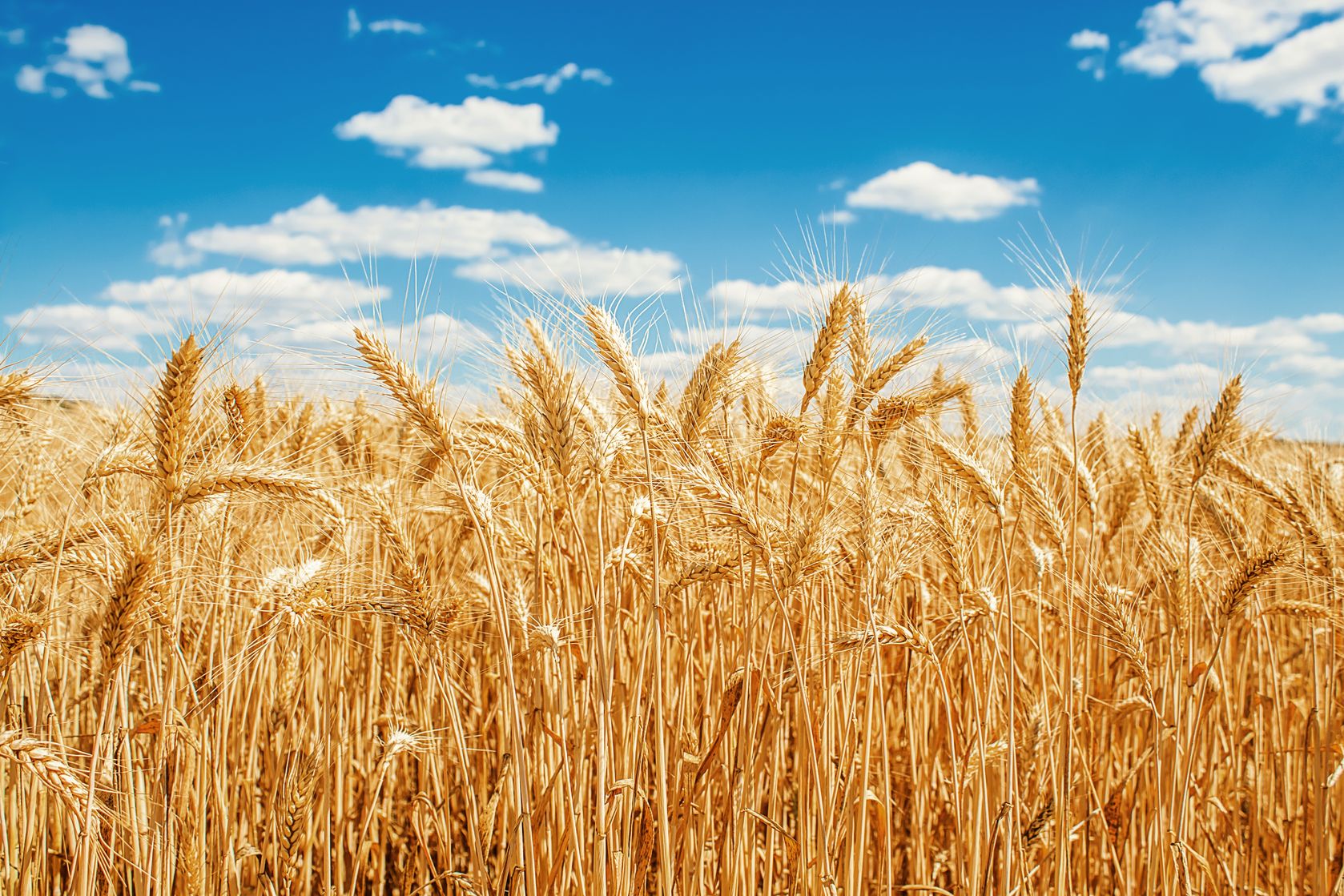
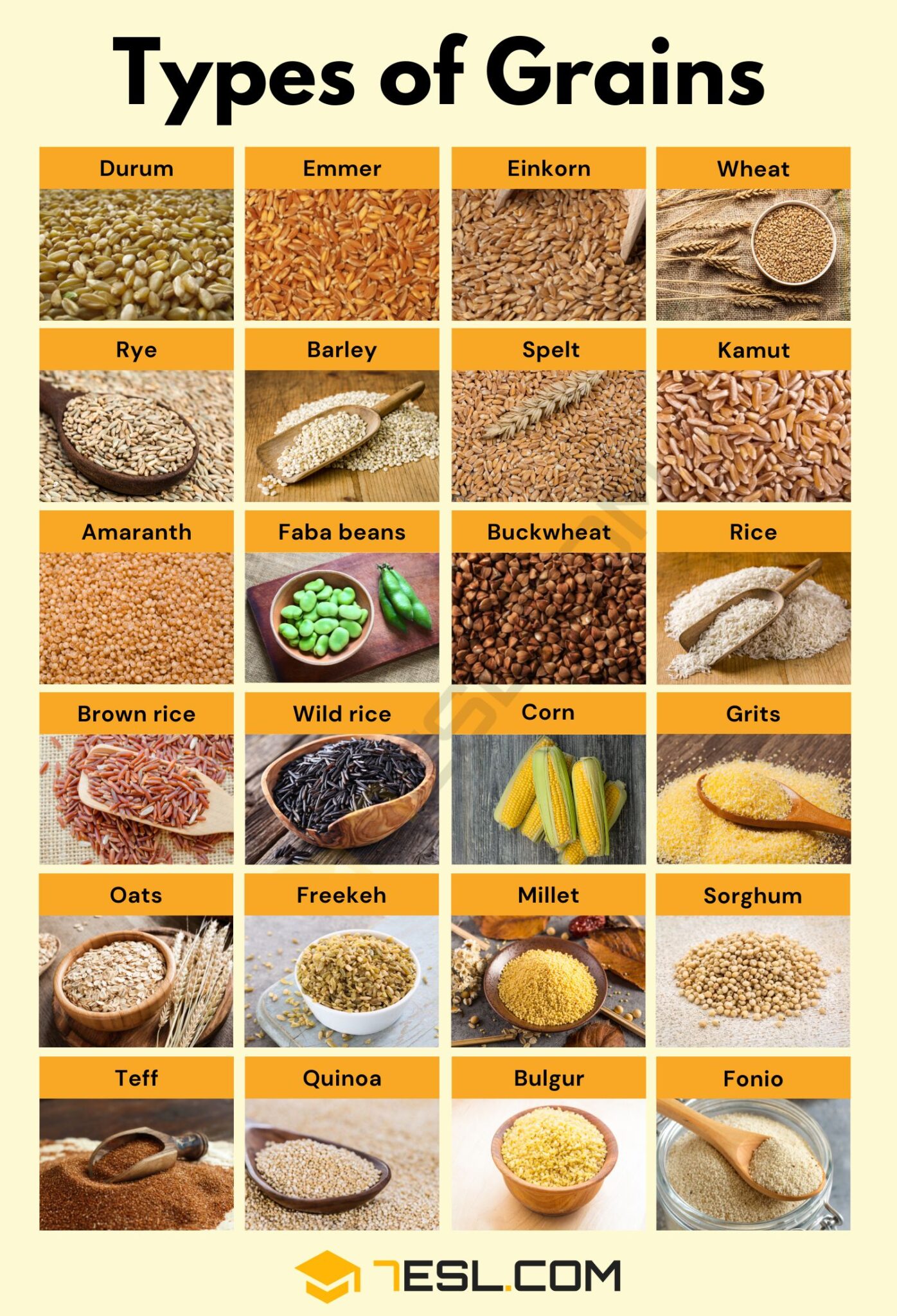
Traditionally, rabbit pellets often contain a significant amount of grains like corn, wheat, and soy. While these ingredients may provide energy, they are not necessarily the most beneficial for a rabbit’s digestive system. Rabbits are herbivores with a digestive system specifically designed to process high-fiber, plant-based foods. Grains, on the other hand, are higher in carbohydrates and lower in fiber, which can lead to several health problems:
- Digestive Upset: Excessive carbohydrates can disrupt the delicate balance of bacteria in the rabbit’s gut, leading to conditions like diarrhea, bloating, and stasis (a potentially life-threatening condition where the digestive system slows down or stops).
- Obesity: Grains are calorie-dense, and overconsumption can contribute to weight gain and obesity in rabbits. Obesity can lead to a range of health issues, including arthritis, heart problems, and difficulty grooming.
- Dental Problems: Rabbits need to constantly chew on high-fiber foods to wear down their continuously growing teeth. Grain-based diets are often softer and less abrasive, increasing the risk of dental problems like malocclusion (misaligned teeth).
- Reduced Hay Consumption: If rabbits fill up on pellets high in grains, they may be less likely to eat enough hay, which is the cornerstone of a healthy rabbit diet.
Grain-free rabbit food aims to address these issues by replacing grains with more appropriate ingredients, such as:
- Timothy Hay: A high-fiber, low-protein grass hay that is essential for a rabbit’s digestive health and dental wear.
- Other Grass Hays: Orchard grass, meadow fescue, and oat hay can also be included for variety.
- Vegetable Fiber: Ingredients like pea fiber, beet pulp (a controversial ingredient – see below), and soybean hulls provide additional fiber without the negative effects of grains.
The Benefits of Dried Vegetables in Rabbit Food
Dried vegetables are a fantastic addition to grain-free rabbit food, offering several benefits:
- Nutritional Boost: Dried vegetables retain many of the vitamins and minerals found in fresh vegetables. They can provide essential nutrients like Vitamin A, Vitamin C, Vitamin K, potassium, and antioxidants.
- Increased Palatability: Many rabbits enjoy the taste and texture of dried vegetables, making the food more appealing and encouraging them to eat a balanced diet.
- Variety and Enrichment: Adding dried vegetables provides variety to the rabbit’s diet, preventing boredom and promoting mental stimulation.
- Convenience and Shelf Life: Dried vegetables are easy to store and have a longer shelf life than fresh vegetables, making them a convenient option for rabbit owners.
Common Dried Vegetables Found in Rabbit Food:
- Carrots: A good source of Vitamin A and fiber.
- Peppers (Bell Peppers): Rich in Vitamin C and antioxidants.
- Parsley: A good source of Vitamin K and other nutrients.
- Broccoli: Provides fiber and vitamins.
- Zucchini: A low-calorie source of vitamins and minerals.
- Green Beans: A good source of fiber and vitamins.
- Beets: Should be given in moderation due to sugar content.
What to Look for in Grain-Free Rabbit Food with Dried Veggies:
When choosing a grain-free rabbit food with dried vegetables, consider the following factors:
-
High Fiber Content: Look for a food with a fiber content of at least 18% and ideally closer to 20-25%. This is crucial for maintaining digestive health.
-
Hay-Based Formula: The primary ingredient should be a type of grass hay, such as timothy hay, orchard grass, or meadow fescue.
-
Limited Ingredients: Avoid foods with long lists of ingredients, especially artificial colors, flavors, and preservatives. Simple, natural ingredients are best.
-
Proper Protein and Fat Levels: The protein content should be moderate (around 12-14%), and the fat content should be low (around 2-4%).
-
Appropriate Calcium-to-Phosphorus Ratio: The ideal calcium-to-phosphorus ratio is around 1.5:1 to 2:1. This helps prevent urinary problems.
-
Quality of Dried Vegetables: Ensure the dried vegetables are of high quality and free from pesticides and other contaminants.
-
No Added Sugars or Molasses: Avoid foods with added sugars or molasses, as these can contribute to digestive upset and weight gain.
-
Reputable Brand: Choose a reputable brand with a proven track record of producing high-quality rabbit food.
Ingredients to Avoid or Limit:
While grain-free rabbit food is generally a healthier option, it’s still important to scrutinize the ingredient list. Be wary of the following:
- Grains: Corn, wheat, oats, barley, and other grains should be completely avoided.
- Soy: While not technically a grain, soy can be problematic for some rabbits.
- Nuts and Seeds: High in fat and calories, nuts and seeds should be avoided.
- Fruits: While rabbits can have small amounts of fruit as treats, they should not be a primary ingredient in their food due to their high sugar content.
- Beet Pulp: This is a controversial ingredient. Some argue it provides beneficial fiber, while others believe it can disrupt gut bacteria. If you choose a food with beet pulp, ensure it is a small percentage of the overall ingredients.
- Artificial Colors, Flavors, and Preservatives: These additives offer no nutritional value and can be harmful to rabbits.
Transitioning to Grain-Free Rabbit Food:
If you’re switching your rabbit to a grain-free diet, it’s important to do so gradually to avoid digestive upset.
- Start Slowly: Begin by mixing a small amount of the new food with your rabbit’s current food.
- Gradually Increase the Ratio: Over a period of 1-2 weeks, gradually increase the ratio of the new food to the old food until your rabbit is eating only the grain-free food.
- Monitor Your Rabbit’s Stool: Keep a close eye on your rabbit’s stool. If you notice any changes, such as diarrhea or soft stools, slow down the transition.
- Ensure Adequate Hay Consumption: Make sure your rabbit is still eating plenty of hay during the transition. Hay should make up the majority of their diet.
Beyond Pellets: The Importance of a Balanced Diet
While grain-free rabbit food with dried vegetables can be a beneficial addition to your rabbit’s diet, it’s important to remember that it should not be the sole source of nutrition. A healthy rabbit diet should primarily consist of:
- Hay: Timothy hay or other grass hays should make up at least 80% of your rabbit’s diet.
- Fresh Vegetables: Offer a variety of fresh, leafy green vegetables daily, such as romaine lettuce, kale, parsley, and cilantro.
- Pellets: Grain-free pellets should be offered in limited quantities, typically 1/4 cup per 6 pounds of body weight per day.
- Fresh Water: Always provide fresh, clean water.
Conclusion:
Grain-free rabbit food with dried vegetables can be a healthier and more nutritious option for your bunny compared to traditional grain-based pellets. By choosing a high-quality food with appropriate ingredients and transitioning gradually, you can help support your rabbit’s digestive health, dental health, and overall well-being. Remember to always prioritize hay as the foundation of your rabbit’s diet and supplement with fresh vegetables and limited amounts of grain-free pellets. By providing a balanced and varied diet, you can ensure your furry friend lives a long, happy, and healthy life. Always consult with a veterinarian specializing in rabbits for personalized dietary recommendations.