
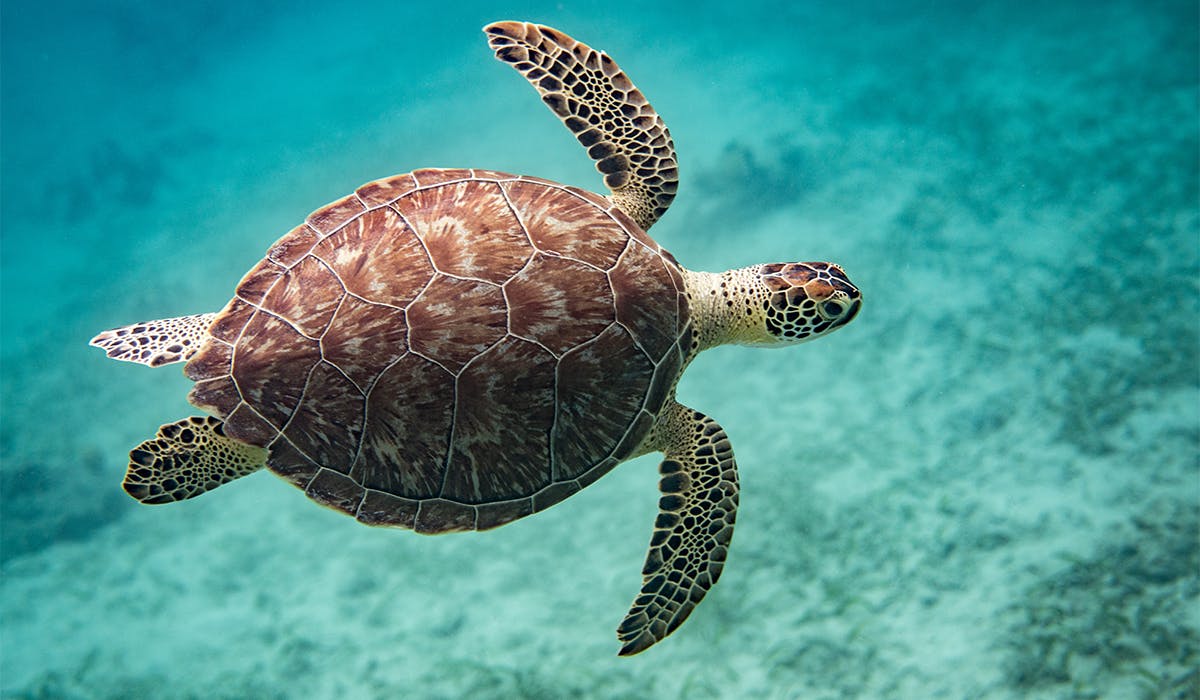
Turtle Food: The Importance of Shrimp and Plant Matter in a Balanced Diet
For turtle owners, providing the right nutrition is paramount to ensuring the health, longevity, and overall well-being of their shelled companions. While commercial turtle pellets often form the base of their diet, incorporating shrimp and plant matter is essential for a balanced and species-appropriate feeding strategy. Understanding the role of these components will empower you to create a diet that keeps your turtle thriving.
Why Shrimp and Plant Matter Matter
Shrimp and plant matter are not mere supplements; they are integral parts of a turtle’s natural diet, offering a range of benefits:
-
Complete Nutrition: Turtles require a balance of protein, carbohydrates, fats, vitamins, and minerals. Shrimp and plant matter contribute to this balance by providing nutrients often lacking or insufficient in pellet-only diets.
-
Natural Foraging Behavior: In the wild, turtles spend their time foraging for food, which includes hunting small prey like shrimp and grazing on aquatic plants. Mimicking this natural behavior in captivity provides mental stimulation and prevents boredom.
-
Species-Specific Needs: Different turtle species have varying dietary requirements. Some are primarily carnivorous (meat-eaters), while others are herbivorous (plant-eaters), and many are omnivorous (eating both meat and plants). Shrimp and plant matter allow you to tailor the diet to your turtle’s specific needs.
-
Improved Palatability: Let’s face it, pellets can get boring. Shrimp and fresh greens add variety to the diet, making it more appealing and encouraging turtles to eat.
Shrimp as a Protein Source
Shrimp, whether fresh, frozen, or freeze-dried, is an excellent source of protein for carnivorous and omnivorous turtles. Protein is crucial for:
- Growth and Development: Young turtles need protein to build strong bones, muscles, and tissues.
- Tissue Repair: Protein helps repair damaged tissues and supports the immune system.
- Enzyme Production: Protein is essential for the production of enzymes that aid in digestion and other bodily functions.
Types of Shrimp for Turtles:
- Fresh Shrimp: Raw shrimp from the grocery store is a good option, but make sure it is sourced from a reputable supplier and free of additives.
- Frozen Shrimp: Frozen shrimp is convenient and can be stored for longer periods. Thaw it completely before feeding it to your turtle.
- Freeze-Dried Shrimp: Freeze-dried shrimp is a popular option because it is shelf-stable and easy to store. However, it can be less nutritious than fresh or frozen shrimp.
- Krill: Krill is a small, shrimp-like crustacean that is rich in protein, omega-3 fatty acids, and carotenoids. It is a good option for turtles that need a boost of these nutrients.
Important Considerations When Feeding Shrimp:
- Size: Cut shrimp into appropriately sized pieces to prevent choking.
- Frequency: Feed shrimp in moderation, as it is high in protein and can lead to obesity if overfed. A few times a week is generally sufficient.
- Preparation: Remove any sharp shells or spines before feeding shrimp to your turtle.
- Source: Ensure the shrimp is from a reliable source to avoid contamination.
- Supplementation: Shrimp is a good source of protein and calcium, but it should be supplemented with other vitamins and minerals to ensure a complete diet.
Plant Matter: The Foundation of a Healthy Diet
Plant matter is a vital component of a turtle’s diet, especially for herbivorous and omnivorous species. It provides:
- Fiber: Fiber aids in digestion and prevents constipation.
- Vitamins and Minerals: Plant matter is rich in essential vitamins and minerals that support overall health.
- Antioxidants: Antioxidants protect cells from damage and boost the immune system.
Types of Plant Matter for Turtles:
- Leafy Greens: Dark leafy greens like romaine lettuce, kale, collard greens, and dandelion greens are excellent choices. Avoid iceberg lettuce, as it is low in nutrients.
- Aquatic Plants: Aquatic plants like duckweed, water lettuce, and anacharis provide a natural food source and enrich the turtle’s environment.
- Vegetables: Some vegetables, such as carrots, squash, and sweet potatoes, can be offered in moderation.
- Fruits: Fruits like berries, melon, and bananas can be offered as occasional treats, but they should not be a staple of the diet due to their high sugar content.
Important Considerations When Feeding Plant Matter:
- Variety: Offer a variety of plant matter to ensure your turtle gets a wide range of nutrients.
- Preparation: Wash all plant matter thoroughly to remove pesticides and other contaminants. Cut into small, manageable pieces.
- Quantity: The amount of plant matter to feed depends on the turtle species and its dietary needs. Herbivorous turtles should have a diet that is primarily plant-based, while omnivorous turtles should have a mix of plant matter and protein.
- Pesticides: Always make sure that the plants you are feeding your turtle are free of pesticides. Organic produce is the best option.
- Avoid Toxic Plants: Be sure to research any plant before feeding it to your turtle, as some plants are toxic to turtles.
Creating a Balanced Diet
A balanced turtle diet should consist of:
- Commercial Turtle Pellets: High-quality turtle pellets should form the base of the diet, providing essential vitamins and minerals.
- Shrimp: Offer shrimp a few times a week as a protein source.
- Plant Matter: Provide a variety of leafy greens, aquatic plants, and vegetables daily.
- Supplements: Consider supplementing with calcium and vitamin D3, especially if your turtle is not exposed to natural sunlight.
Feeding Schedule and Portion Sizes
- Young Turtles: Young turtles need to be fed more frequently than adults, typically once or twice a day.
- Adult Turtles: Adult turtles can be fed every other day or every few days, depending on their species and activity level.
- Portion Sizes: Offer an amount of food that your turtle can consume in about 15-20 minutes. Remove any uneaten food to prevent it from spoiling.
Monitoring Your Turtle’s Health
Regularly monitor your turtle’s health and adjust the diet as needed. Signs of a healthy turtle include:
- Active and Alert Behavior: A healthy turtle will be active and alert, not sluggish or lethargic.
- Healthy Shell: The shell should be smooth, hard, and free of lesions or deformities.
- Clear Eyes and Nostrils: The eyes and nostrils should be clear and free of discharge.
- Good Appetite: A healthy turtle will have a good appetite and eat regularly.
Consulting with a Veterinarian
If you have any concerns about your turtle’s diet or health, consult with a veterinarian who specializes in reptiles. They can provide personalized recommendations based on your turtle’s specific needs.
Conclusion
Feeding your turtle a balanced diet that includes shrimp and plant matter is essential for their health and well-being. By understanding the nutritional needs of your turtle and providing a variety of foods, you can ensure that they live a long and happy life. Remember to always research the specific dietary needs of your turtle species and consult with a veterinarian if you have any questions.
